
The Clear-Eyed Way of Unborn Zen · 不生
Less war with
your own mind.
The hurt. The replay. The fear of what comes next.
A free philosophical exploration of Bankei’s teaching of the Unborn. Reading, reflection, and everyday practice for meeting life without being carried away by every thought.
An animated introduction · 5:55
Bankei: The Mind
Before the Story
Bankei’s life and his teaching of the Unborn Buddha-mind, brought into ordinary life.
Why any of this matters
When the mind
won’t let go.
Pain happens. Then the mind keeps adding: the replay, the verdict, the shame, the story that turns a wound into who you are. Bankei’s teaching invites us to look at what feeds that anguish and whether we can stop carrying it forward.
This work exists to make Bankei’s teaching available, accessible, and useful in ordinary life: less war with your own mind, more room to breathe, and a way to meet life without being ruled by every thought that appears.
Begin with the Buddhist foundationsUnborn · The direct teaching
Before you decide
to listen.
A bird calls. A door closes. You hear it before you decide to hear it. Bankei pointed to this ordinary, uncontrived knowing and called it the Unborn Buddha-mind.
Bankei urged his listeners not to trade the Unborn Buddha-mind for thoughts. We explore how a thought can appear without becoming an identity, a grievance, or a position to defend.
Read the teachingHearing is already here.
Listen for a moment, if you wish. This does not produce the Unborn. Sounds and thoughts can appear without being followed or made mine.
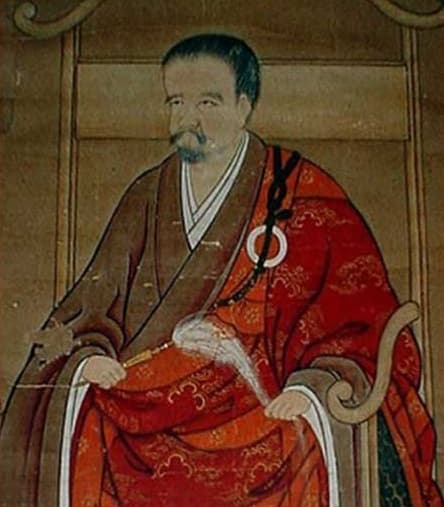
03 · Bankei Yotaku · 1622–1693
He stopped searching.
Nothing was absent.
After years of exhausting himself in pursuit of awakening, Bankei recognized what had been present all along. He spent the rest of his life pointing it out in plain language.
His listeners were monks, farmers, parents, and people whose lives hurt. The teaching belonged in the middle of their lives.
Meet BankeiStudy & practice
A place to begin.
Bring your attention to the life in front of you.
Read Bankei.
Begin with his recorded talks, dialogues, and letters.
Find the books Daily lifePractice now.
Do not make the trade. One instruction, in sitting and ordinary life.
Begin a practice Sound & silenceLet it arrive.
The Heart Sutra in text, music, and contemplation.
Visit the media roomBring one thing with youWhat thought has you?
What thought has you?
Put it into a sentence. Meet it through a reflection on Bankei’s teaching.